Got sourdough discard? Don’t toss it! Learn how to use, store, and create incredible sourdough discard recipes at home without the waste.
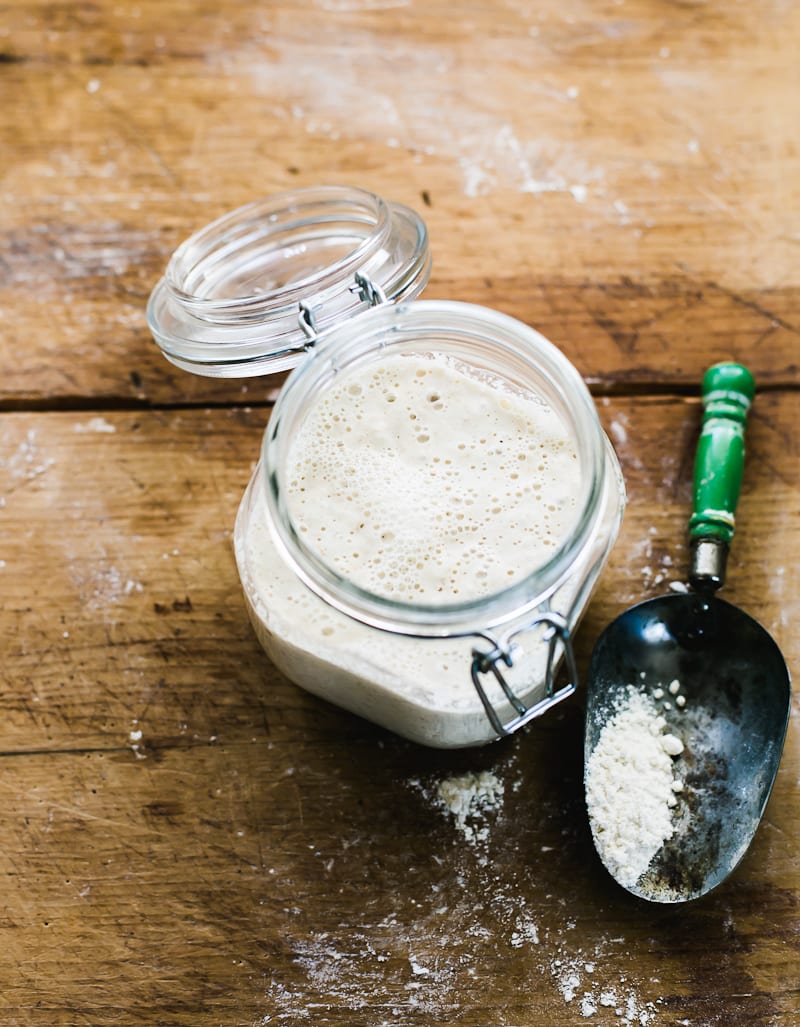
Let’s clear up the confusion around sourdough discard: what it is, why we have it, and how it effects sourdough bread. I’ve been baking sourdough for over 13 years, and here’s what’s crucial to remember: take care of your sourdough starter and it will take care of you.
In this post, I’ve outlined everything you need to know about sourdough discard including a collection of my best sourdough discard recipes (plus more in my bestselling book: Artisan Sourdough Made Simple).

Sourdough Discard: What Is it?
Sourdough “discard” is the portion of starter you remove before feeding what’s left in the jar with fresh flour and water. This routine technique keeps your starter healthy and manageable.
What’s The Point? And Why?
- Balance acidity: (think sour vs. fruity, sweet smell). Discarding so regularly will optimize the taste, texture and rise of your sourdough bread.
- Control growth: If you don’t discard, your starter will grow out control and you’ll have too much- you’ll never use it.
- Reduce waste: Avoids having too much starter that you can’t use.
- Maintain health: Keeps your starter strong and active for better bread rise.
Where Does The Discard Go? Do You Throw It Away?
While name “discard” implies throwing it away, you don’t have to. Only toss discard if it’s moldy, discolored, or smells off. Otherwise, it’s perfectly fine and useful for baking. Use your judgement.
Here’s an example:
Let’s say you have about 1 cup of sourdough discard ready for pancakes, but life gets in the way and you stash it in the fridge instead. Two weeks later, you remember it and want to use it—but now it has a dark liquid on top and smells off, like gym socks. If your discard looks or smells like this, it’s best not to use it.
Creative Uses for Sourdough Discard
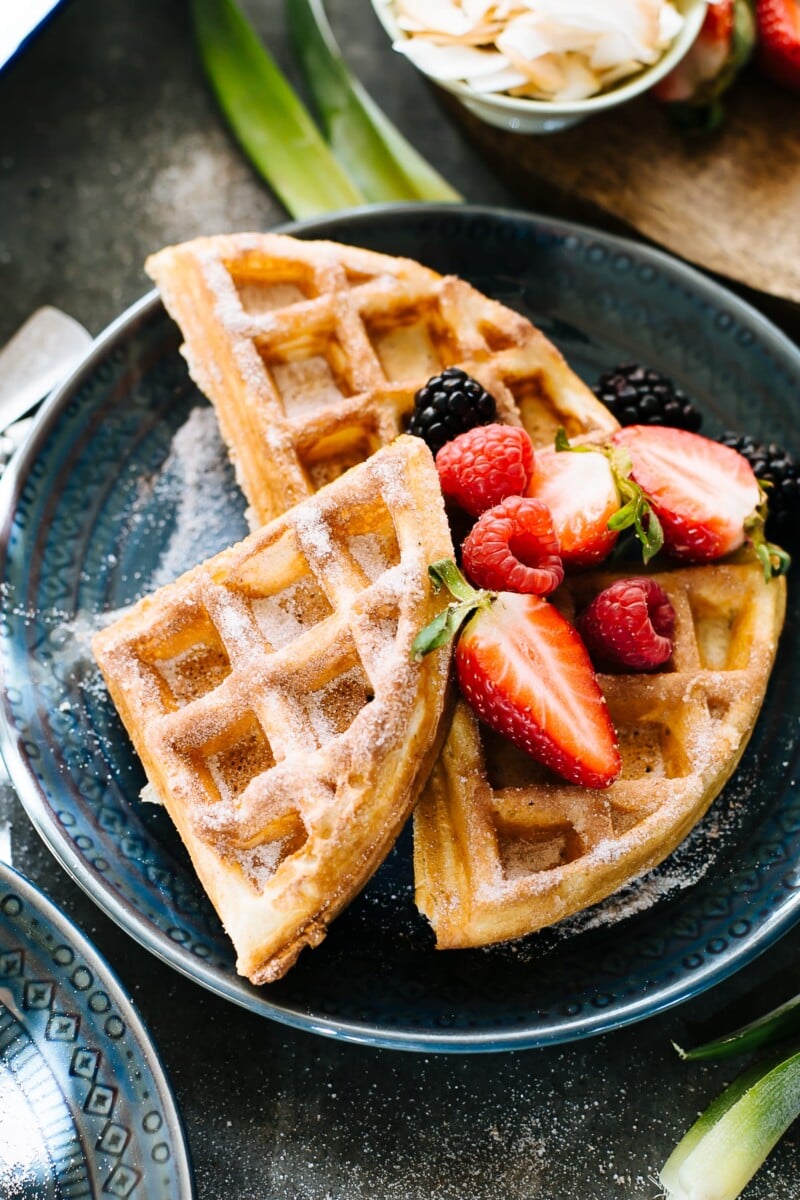
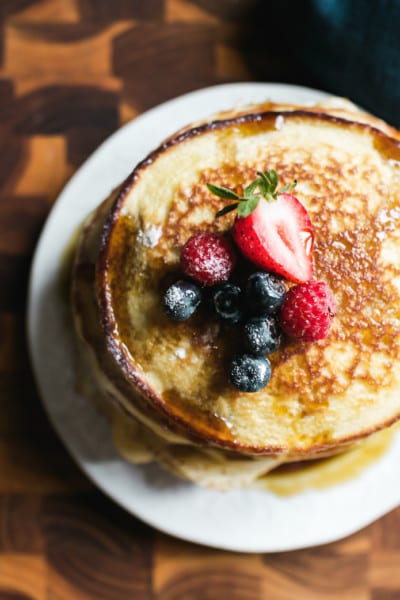
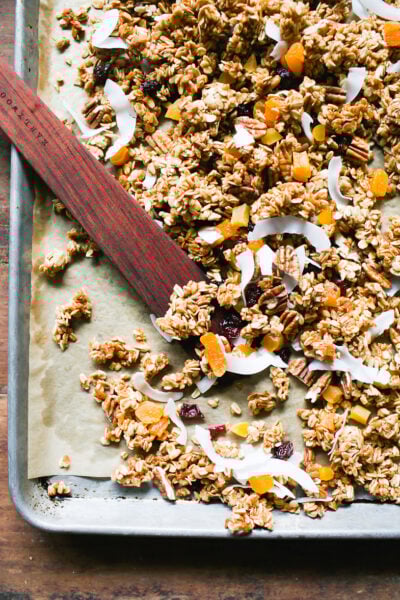
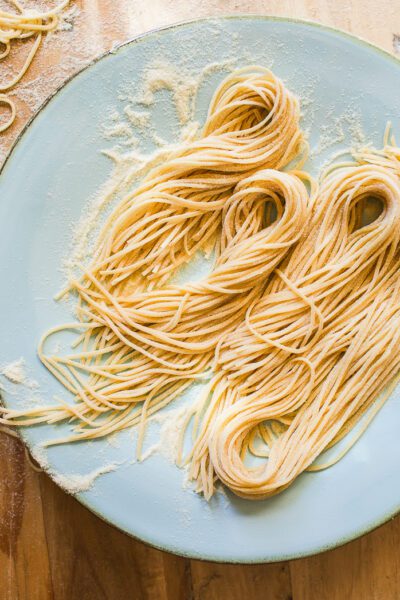
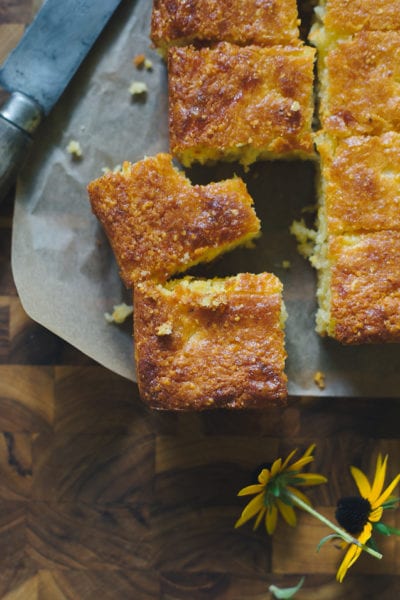
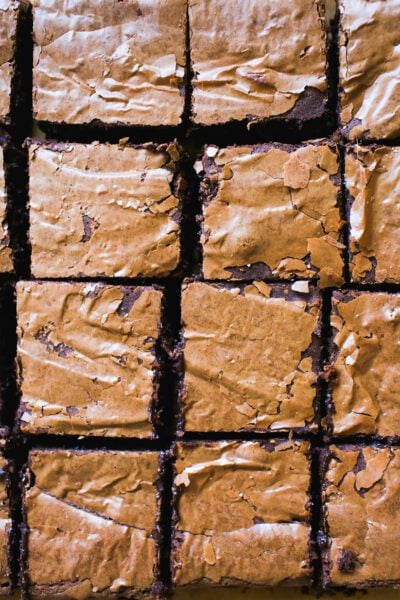
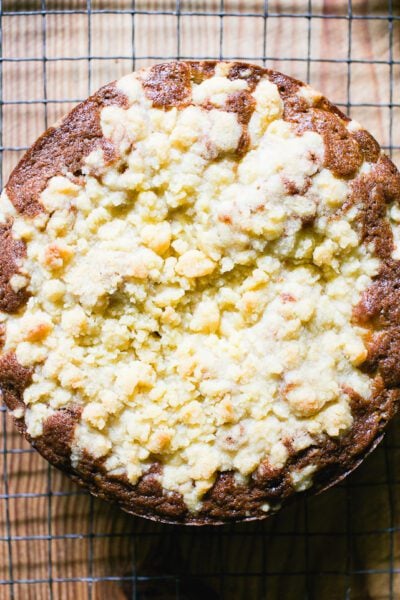
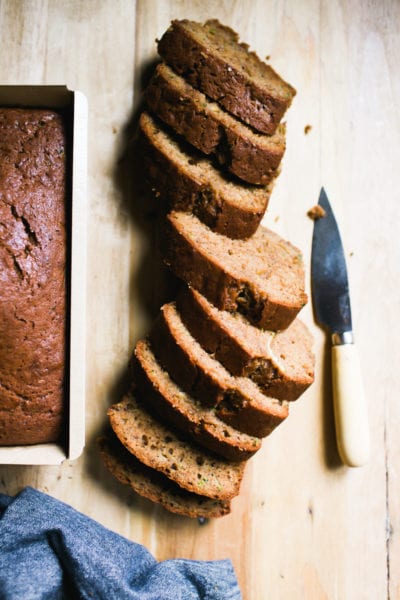
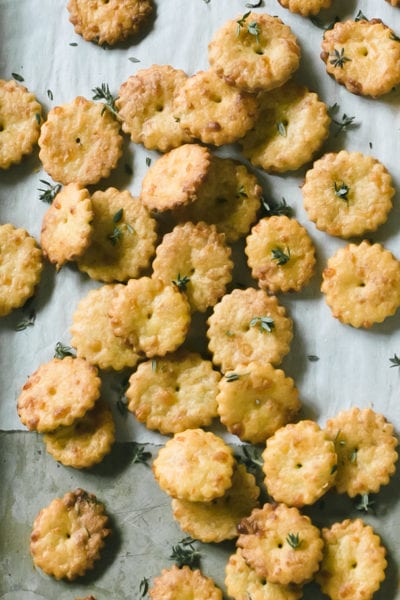
Good-quality discard, let’s say from recently fed and collapsed starter, can be used to make a variety of sourdough discard recipes from sweet to savory and everything in between. A few ideas below:



How to Store Sourdough Discard for Best Results
- In the Fridge: collect and save your sourdough discard in the fridge. Store it in a sealed, airtight jar. This method is great for those who bake several times a week but cannot commit to using the discard right away. It should keep for about a week or so.
- In the Freezer: store discard in the freezer for prolonged use (I don’t do this). In my experience, you tend to forget it about unless you’re really organized! But nevertheless, the discard can be frozen in a small container and defrosted overnight in the fridge. In the freezer, it should last a few months.
- At Room Temperature (70 F): Store in an airtight jar for 1-2 days, on the counter. Beyond that timeframe, it won’t go bad necessarily; the discard will become more acidic as time goes on especially in warm weather (not ideal for sweet recipes).
Can Sourdough Discard Be Used To Make A New Starter?
Yes: the amount you “discard” or pour off from an established starter can be fed in a separate bowl to create a new sourdough starter or levain.
What Is A Levain?
Veering slightly off the topic of discard, but good to know…
Oftentimes, the terms sourdough starter and levain are used interchangeably. They’re slightly different. A levain is an offshoot of your main sourdough starter. For example, if you pour some sourdough starter into a separate bowl and feed it with rye flour, you’ve just created a levain. Your original jar of sourdough starter (the mother) fed exclusively with white flour, remains untouched. What’s the benefit of this technique? Portion control, flour control, and flavor building.
How to Reduce Sourdough Discard Waste
Interestingly enough, many bakers actually have zero interest in sourdough discard recipes. It all boils down to what’s practical for the baker. Timing? Waste? Don’t like pancakes?
Here are a few tips to consider: Keep a smaller-sized starter to begin with. This way, you’ll discard less and use only what you need. Or, keep a “mother” starter as mentioned in the section above. Alternatively, throw some in a jar (I use this one) and share some with a friend!
Final Thoughts:
Whether you’re trying new recipes, sharing with fellow bakers, or passing on it altogether, understanding sourdough discard is the key to its versatility and sustainability. Have your own tips? Share them below!
By signing up, you agree to receive emails from The Clever Carrot. Unsubscribe at any time.
Sourdough Discard Recipes 101: Best Sourdough Breakfast Pancakes
- Prep Time: 10
- Cook Time: 30
- Total Time: 40
- Yield: (10x) 6-inch pancakes
- Category: Breakfast
- Method: Skillet
- Cuisine: American
- Diet: Vegetarian
Description
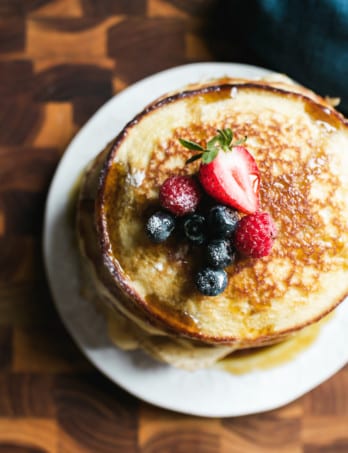
An easy, one-bowl recipe for fluffy homemade pancakes using leftover sourdough discard. The batter can be made overnight or on the same day- it’s up to you! This is the most popular sourdough discard recipe on my blog.
Ingredients
Dry Ingredients
- 1 1/2 cups (190 g) all purpose flour, spooned and leveled
- 2 tbsp. (24 g) sugar
- 1/2 tsp. fine sea salt
- 2 tsp. baking powder
- 1 tsp. baking soda
Wet Ingredients
- 1 cup (240 g) sourdough starter (100% hydration, either leftover discard or bubbly)
- 2 large eggs
- 1 cup (240 ml) milk, plus more as needed
- 3 tbsp. (42 g) melted unsalted butter or oil, plus more to coat the skillet
To Serve
- Pure maple syrup
- Fresh berries
- Powdered sugar
Instructions
Overnight Preparation:
For thick and fluffy pancakes: Combine the wet and dry ingredients EXCEPT for the baking powder and baking soda. Whisk well, cover and chill overnight. The next day, sift the powders directly over the bowl and whisk again to combine. The texture should be thick, bubbly, and pourable. Add extra milk, 1 tbsp at a time, to thin out the texture if needed. Let the batter sit for at least 5 minutes to aerate; it should be nice and bubbly before using. The batter can be used cold.
For thin and fluffy pancakes: Add all of the ingredients together and chill overnight. No need to add the leavening agents separately.
Same Day Preparation:
Preheat your oven to 250 F.
In a large bowl, whisk the dry ingredients together. Add the wet ingredients. Whisk gently until a smooth batter forms; some lumps are ok.
In a large 10-inch skillet (cast iron or non-stick), melt a small pat of butter over medium-low heat. Swirl the pan around to coat.
Pour 1/3 cup of batter into the pan. Cook for 1-2 minutes, lowering the heat as needed. When the edges begin to puff up and bubbles appear on the surface, flip it over. Cook for another minute or so. Place the pancake onto a sheet pan and keep warm in the oven while you cook the rest.
To continue, use a scrunched up paper towel to wipe out the skillet. Add more butter if the pan gets too dry. Repeat the cooking process until you are finished with the batter.
To serve, stack the warm pancakes on a platter for your guests to help themselves. Have plenty of pure maple syrup, fresh berries and powdered sugar at the ready.

Comments
Daphne says
I was going to do the overnight version but forgot. So I made the same day one, adding blueberries. It was perfect! Thank you!
Debbie Mackie says
I only want to bake sourdough bread every other week or so or if I learn how good to bake small loaves to freeze to have on hand to give to people. How much is a small amount of starter? Do you always have to discard before you feed your starter? Thanks!
Indie says
I
Am notoriously horrible at making pancakes. Besides adding some almond extract next time, these are the best pancakes I’ve ever made, thanks to your recipe!
Peggy Scott says
My starter did not rise on the first day. Should I throw it out and try again?
I have enjoyed learning from your site
Many thanks
Peggy
Emilie Raffa says
Hi Peggy! Are you referring to Day 1 of creating a starter from scratch? Or do you already have an established starter that has not risen after feeding it for 1 day? Thanks!
Peggy Scott says
Emilie, thank you so much for your reply. I am referring to creating the starter for Day 1. It has been in the oven with the light on for 24 hours.
Eva says
These were outstanding! I did the “same day” method since I was baking a couple boules and had 300g discard ready to toss. I added one cup of blueberries tossed in flour and cooked them one at a time in a crepe pan added teeny bits of butter in between flips and new batches. The 2 min., flip then 1 min. timing was perfect. Warmed in the oven until all were complete and they were perfectly crisp on the edges, cooked through and fluffy inside!!! A great use of discard!
CB says
As we moved into a seemingly long inflationary period, and witnessed the prices of flour rise and rise (no pun intended), I adopted a “no-discard” sourdough starter method. If you search that online, you will find a number of good strategies. The one I adopted converts the leftover starter to an almost DRY form which is stored in the fridge. This is especially good for folks like myself who bake less than weekly. The starter is basically dormant at that point w/o having to freeze it or to make a dry film of starter chips on paper. You just need to be 1-day ahead of your baking curve to get the starter out of hibernation and ready to use.
The method I have adopted is from:
ourgabledhome“DOT”com/easy-sourdough-starter-no-feedings-no-discards/
Robert Federle says
Hello and thank you for the information. I guess I have been doing things wrong all along. I take the starter out of the fridge for a couple hours with the lid loosened and I will take 50g of whole wheat flour and just a hair under 50g water and mix with the starter already in the jar. In a warm place I let it double in size and I then take a spatula and mix it.
I pour about half or a little more into a clean jar and place it in the fridge. I do this every Friday and have not made bread in quite a while for one reason or another. It seems that it is doing what it is supposed to do however, I would like to know.
Should I discard the contents of the jar BEFORE feeding it? If so, how much should remain in the jar?
Thank you.
Mary Jo says
If I boost my mother starter with a portion of rye and AP flour is that now a levain and not true starter anymore? Somewhat confused?
Emilie Raffa says
Hi there! Your Mother is still your true or your “main” starter. It’s fine boosted with rye and AP. In comparison, a levain is a portion of your (boosted) Mother starter, fed separately in a completely different bowl.
Fern Reny says
Easy!
Emilie Raffa says
Thank you!
Amber Wheeler says
Could you use a protein powder mix substitute for the flour for the overnight version? Example Kodiak pancake mix? I’m assuming it would already have the baking powder and soda added.
Emilie Raffa says
This is a really good question. Yes, it should work. But since I haven’t tested it specifically, I don’t know the exact adjustments you would have to make. For example, the batter might be too thick from the protein powder, so you’ll have to add more milk (by eye) to thin it out. Does that make sense? It’s worth playing around knowing that a little trial and error will be involved.
Michelle says
Hi. I followed your exact directions to the T. On day 8 the starter still would not float. My house is at 68 degrees so I don’t know if that contributed to the non success. I did start out with it in my oven, with the light on for a few hours and then I left it in the oven the entire time (without the light). I read on a couple of other sites that you should not use reverse osmosis water. My kitchen filter is RO so I used this and maybe that was not correct. I had to throw it out on day 9 and I bought a starter from Breadtopia instead. I did make your sourdough pancakes and they were delicious
Janette Lewis says
I use ro water no problems. My starter is 5 years old Float test is not necessary as it is not necessarily accurate.
Becki says
This sounds very good. Mt step mom kept a running batch of starter for my whole life until she got sick and passed. About 40 years. I’m sad to say I wasn’t smarr enough to carry it on. It woukd of been great. Anyway, I read your section on smaller starter. You stated you will discard less. Which makes sense. But then what is the flour to water ratio that you will feed it with?
Emilie Raffa says
Hi there! There are a few feeding ratios to consider. The 1:1:1 feeding ratio is the most popular and most versatile with regards to texture. So, I would suggest starting with that. Example: if you have 20 g of starter, feed it with 20 g flour & 20 g water (1:1:1).
Cricket says
I am a newbie. I have a starter that is eight days old. Does the discard in this recipe need to be used right after removing it from my starter? Does it need to be room temp or can I use discard from yesterday that has been stored in the fridge? Thank you!
Emilie Raffa says
Hi there! For the pancakes? Yes: you can use the discard right after removing it from your starter, and/or the discard from yesterday in the fridge. Both options are fine. It doesn’t need to be at room temperature, although it can be it you want.
Michelle says
Hi. When making starter are you discarding 1/4c? I am wondering because if the amount is this small and you are not making sourdough bread weekly then you can’t really use the discard because the recipe above is for 1 c of discard so it seems that it would take awhile to get to that 1 cup of discard. Maybe not, I have NEVER done this. I am going to attempt this starter tomorrow. But was curious about the discard.
Also, how long will the starter last in the fridge and it will need to be fed weekly? Thank you
Emilie Raffa says
Hi Michelle! When creating a starter from scratch, the amount you discard is listed in the recipe instructions. Just follow the steps for each day. Do not worry about saving/using the discard right now- I do not recommend using discard from the creation process. It’s not good quality. Once your starter is established and it rises and falls regularly, then go ahead and use the discard to your heart’s content!
With regards to feeding and storing your starter (once it’s created), have a look at this post for more detailed information: https://www.theclevercarrot.com/2021/01/feeding-sourdough-starter-my-best-tips-tricks/
Michelle Marom says
Thank you so much. I will look at what you sent
Shannon says
These were the best, fluffiest, most flavorful pancakes I’ve ever eaten! I made them 4 times this week. 3 times they were perfect and I couldn’t get enough. Once they didn’t turn out so beautifully and were dense and chewy, yet had good flavor. I’m sure it was user error. Maybe my discard was off somehow? I’ll certainly keep making them though.
Emilie Raffa says
Yay! Oh my goodness, 4 times? Yum! It could have been the discard, or a miscalculation of ingredients somewhere. Or… too much time in the fridge on the overnight (flour absorbs liquid like a sponge!).